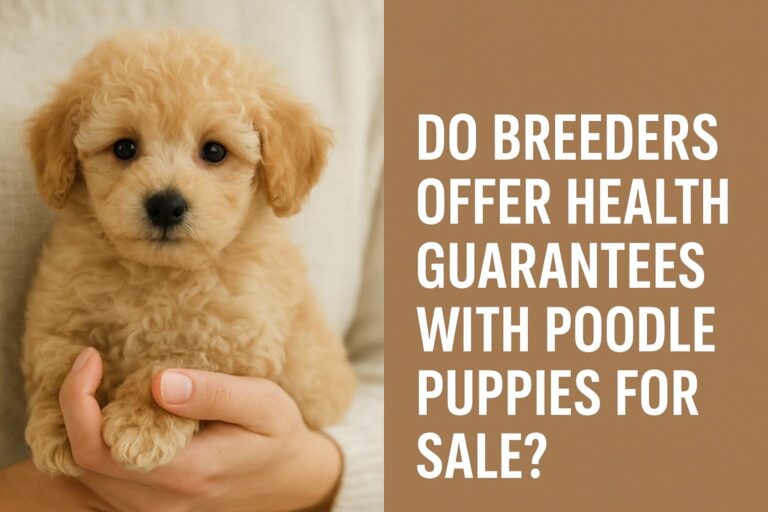
At Fancy Toy Poodles, we know that choosing a breeder is the most important step when adopting a new puppy. Buyers often ask where they can find trusted breeders who prioritize health, ethics, and care. Below are detailed answers to the most pressing questions.
Where can I find reputable breeders with poodle puppies for sale near me?
You can find reputable breeders through kennel clubs, breed associations, and trusted breeder directories. Local visits also help confirm a breeder’s standards before you commit.
- Kennel clubs and breed-specific organizations: National kennel clubs such as the AKC (American Kennel Club) or regional poodle clubs maintain breeder referral lists. These organizations screen breeders for compliance with ethical breeding practices.
- Breed directories and referral services: Associations like the Poodle Club of America provide breeder directories where members are required to follow strict guidelines on health testing and care.
- Veterinary recommendations: Local vets often work with breeders and can point you to reliable sources. Vets are trusted partners because they see firsthand which breeders bring in healthy, well-cared-for puppies.
- In-person visits: Reputable breeders welcome visits and allow you to see both the puppies and the environment. This gives you a clear picture of their living conditions and socialization.
- Community referrals: Dog trainers, groomers, or poodle owners in your area can share firsthand experiences about trustworthy breeders nearby.
- Responsible online searches: While many online ads are unsafe, verified breeder listings from kennel club websites provide a safe way to locate breeders across the country.
How can I identify reputable breeders with poodle puppies for sale?
Reputable breeders show consistent care for the breed and the puppy’s future health. Knowing what signs to look for makes your search easier.
- Health documentation provided upfront: Responsible breeders show genetic test results, vaccination records, and veterinary reports before purchase. They want you to know the puppy’s medical background.
- Small-scale breeding programs: Ethical breeders limit the number of litters each year to focus on quality and the well-being of parent dogs. Overbreeding often signals poor practices.
- Puppy environment: Puppies should grow up in clean, safe, family-like settings where they are exposed to daily human interaction. This environment builds strong social skills.
- Open communication: A reputable breeder welcomes questions, explains their breeding program, and offers honest answers about the puppy’s health and temperament.
- Contracts and guarantees: Good breeders provide contracts that include a health guarantee, refund policy, or replacement if hereditary issues arise. This shows they stand behind their dogs.
- Parent dog care: Meeting the puppy’s parents reveals the breeder’s commitment. Healthy, well-socialized parent dogs indicate strong genetics and good care.
- Lifetime support: Many reputable breeders provide ongoing guidance for training, diet, and health even after adoption. This long-term support shows genuine dedication.
What are the red flags to avoid when searching for poodle breeders online?
Recognizing warning signs helps you avoid scams, backyard breeders, and puppy mills.
- No facility visits allowed: Breeders who refuse in-person visits or video tours may be hiding unsafe or unsanitary conditions.
- Lack of health records: If a breeder cannot provide proof of vaccinations, deworming, or genetic testing, it is a major red flag. Puppies without proper records may develop preventable health issues.
- Unrealistically low prices: Poodle puppies are in demand and require extensive care. Extremely low pricing often signals poor breeding standards or puppy mills.
- High-pressure sales tactics: Ethical breeders allow you time to make a decision. If someone demands immediate payment or pressures you to buy quickly, they may not be trustworthy.
- Multiple breeds offered: Breeders who advertise many different breeds at once often prioritize profit over quality care. Responsible breeders usually focus on one or two breeds.
- No contract or guarantees: Reputable breeders always provide written contracts. If a breeder avoids this step, it suggests they won’t take responsibility for the puppy’s long-term health.
- No references available: Trusted breeders have satisfied clients and can provide testimonials. A lack of references is a warning sign.
What questions should I ask a breeder before buying a poodle puppy?
Asking the right questions helps you confirm the breeder’s credibility and ensures the puppy’s health and well-being.
- Can I see the puppy’s parents? Meeting the parents shows you the temperament and health of the puppy’s bloodline.
- What health tests have been performed? Ask for proof of screenings for common poodle issues such as hip dysplasia, PRA (progressive retinal atrophy), and patellar luxation.
- What vaccinations has the puppy received? Ensure the puppy is up to date with core vaccines such as parvovirus, distemper, and rabies.
- What is the feeding routine? Responsible breeders will share the puppy’s diet plan, which helps you transition smoothly.
- How have the puppies been socialized? Ask for details on exposure to children, other pets, and household environments.
- Do you provide a contract or health guarantee? A clear written contract gives peace of mind. Look for clauses about genetic health issues, returns, or refunds.
- Will you provide post-adoption support? Reputable breeders stay in contact to answer questions about training, diet, and health.
How do I verify health certifications from a poodle breeder?
Health certifications ensure that puppies come from healthy bloodlines. Verifying these records protects you from hidden issues.
- Request copies of health certificates: Ethical breeders provide documents from recognized authorities such as the Orthopedic Foundation for Animals (OFA) or Canine Eye Registration Foundation (CERF).
- Check genetic testing: Poodles are prone to PRA, hip dysplasia, and other hereditary issues. Reliable breeders test for these and provide results.
- Confirm with issuing organizations: Always cross-check documents with the official database of OFA, CERF, or other relevant bodies to confirm authenticity.
- Ask about the vet clinic: Verify the breeder’s vet by contacting the clinic directly. A transparent breeder has no issue sharing their vet’s information.
- Look for microchip records: Many breeders microchip puppies and register them with veterinary or health organizations. This ensures accurate identity tracking.
- Review vaccination and deworming schedules: These records show consistent medical care. Puppies without them may face higher health risks.
- Check if the breeder belongs to health-focused programs: Some breeders participate in kennel club health initiatives that require regular health reporting.
Are online listings safe for finding reputable poodle breeders?
Online listings can be safe if they come from verified sources, but many carry risks. Buyers must know how to separate trustworthy breeders from unverified sellers.
- Use kennel club breeder directories: Listings from organizations such as the American Kennel Club (AKC) include breeders who meet strict health and ethical standards. These platforms screen breeders before listing them.
- Avoid generic classified websites: Websites like Craigslist often host puppy mill ads and scams. These sellers rarely provide health certifications or allow visits.
- Look for breeder websites with full transparency: Trusted breeders post detailed health information, photos, videos, and contact details on their own websites rather than relying only on third-party ads.
- Verify breeder identity: Ask for licenses, membership in breed clubs, or veterinary references. Fraudulent sellers often avoid providing verifiable information.
- Request video calls or facility tours: Legitimate breeders are willing to show their facilities virtually or in person. Avoid anyone unwilling to do so.
- Check online reviews and references: Search for breeder names on review platforms, forums, or social media to ensure a track record of healthy, satisfied customers.
- Beware of unusual payment requests: Reputable breeders use traceable payment methods, while scammers often ask for unprotected transfers such as wire payments or gift cards.
What role do kennel clubs play in helping buyers find reputable poodle breeders?
Kennel clubs help buyers by maintaining breeder databases, setting breeding standards, and monitoring compliance. They act as reliable gatekeepers for ethical breeding.
- Breeder referral directories: Clubs like the AKC or Poodle Club of America maintain lists of approved breeders, giving buyers a safe starting point.
- Health testing standards: Kennel clubs require breeders to follow breed-specific health screening protocols. This helps prevent genetic diseases.
- Code of ethics: Member breeders agree to follow a code of conduct that includes humane care, proper breeding age limits, and responsible puppy placement.
- Educational resources: Kennel clubs provide guides for buyers on what to ask breeders and how to avoid scams.
- Event participation: Clubs often organize shows and competitions where buyers can meet breeders and observe poodles firsthand.
- Complaint handling: If a breeder violates ethical rules, kennel clubs may remove them from their directories. This protects future buyers.
- International reach: Many clubs connect with global breeder networks, helping buyers find reputable breeders outside their local area.
How do I compare local versus out-of-state poodle breeders?
Choosing between local and out-of-state breeders depends on access, health guarantees, and convenience. Buyers must weigh the benefits of both.
- Ease of visits with local breeders: Local breeders allow in-person visits, letting you meet puppies, parents, and review living conditions. This gives peace of mind.
- Ongoing support: Buying locally makes follow-up visits, training, or health checks easier. Many breeders offer lifelong support for nearby buyers.
- Unique bloodlines with out-of-state breeders: Out-of-state breeders may offer rare color variations or specific pedigrees not found locally.
- Health guarantees: Whether local or distant, ensure breeders provide written health contracts. Out-of-state breeders may offer shipping with veterinary health certificates.
- Cost considerations: Out-of-state purchases may add transport or flight costs, while local breeders avoid these extra expenses.
- Transport arrangements: Responsible out-of-state breeders handle safe travel for puppies, often including air travel crates, microchipping, and updated vaccinations.
- Regulatory checks: Some states require specific breeder licenses. Confirm compliance before buying out-of-state to avoid legal or health risks.
How can I tell if a breeder truly socializes their poodle puppies?
Socialization is crucial for building confident, adaptable dogs. Breeders who prioritize this provide a variety of experiences for their puppies.
- Exposure to children and adults: Puppies should regularly interact with people of different ages. This helps them grow comfortable with families.
- Contact with other pets: Reputable breeders allow puppies to safely meet other dogs or household animals, teaching them proper behavior.
- Everyday household noises: Puppies should hear vacuums, televisions, and doorbells, so they won’t develop fear of common sounds.
- Car rides and travel experiences: Early exposure to car rides reduces stress during vet visits or travel.
- Bathing and grooming practice: Since poodles require regular grooming, breeders who introduce brushing, nail trimming, and baths prepare puppies for lifelong care.
- Positive reinforcement: Breeders use gentle handling and rewards, teaching puppies to associate humans with trust and comfort.
- Playtime in varied environments: Puppies should explore indoors, outdoors, and safe new spaces to build curiosity and adaptability.
Why does visiting the breeder’s facility matter before buying a poodle?
Visiting ensures the puppies are raised in healthy, humane conditions and lets you confirm the breeder’s honesty.
- Check cleanliness of the environment: Puppies should live in clean, odor-free spaces with access to fresh water and proper bedding. Unsanitary facilities may lead to illness.
- Observe the parent dogs: Meeting the parents shows you the temperament, health, and behavior of your puppy’s bloodline.
- Confirm socialization practices: Seeing puppies play, interact with people, and explore confirms that the breeder invests in their development.
- Verify veterinary care: Look for signs of recent vaccinations, worming schedules, or veterinary visits. Reputable breeders display this information openly.
- Assess the breeder’s transparency: Trustworthy breeders welcome visits and answer all questions. Those who discourage visits may have something to hide.
- Ensure humane treatment: Puppies should never be confined in small cages or appear fearful. Healthy puppies are curious, active, and alert.
- Evaluate overall professionalism: Organized facilities, proper records, and clear communication all indicate a serious breeder.
How do I research reviews and testimonials of poodle breeders?
Researching reviews and testimonials helps you verify a breeder’s reputation and see how past buyers were treated. Reliable feedback shows whether the breeder consistently produces healthy, well-adjusted puppies.
- Google reviews and local listings: Search the breeder’s name on Google Maps and local directories. Consistent positive reviews from real customers indicate reliability.
- Breed-specific forums and social media groups: Communities of poodle owners often share experiences, recommend good breeders, and warn about bad ones. Firsthand accounts give you honest insight.
- Kennel club breeder referrals: Breeders listed with kennel clubs usually have verifiable reputations. Buyers who adopt from them often provide feedback to the club.
- Independent platforms like BBB or Trustpilot: These organizations track complaints and customer satisfaction, helping you spot red flags.
- Request references directly: Ask the breeder for contact details of past buyers. Reputable breeders are proud to connect you with satisfied families.
- Check for repeat buyers: Many breeders have families who return for a second puppy. This indicates trust and long-term satisfaction.
- Look for consistency: A mix of reviews across platforms builds credibility. If feedback is only on the breeder’s own site, it may be filtered or incomplete.
What are the differences between reputable breeders and backyard breeders selling poodles?
The biggest difference lies in health, ethics, and long-term puppy welfare. Knowing these distinctions helps you avoid poor breeding practices.
- Health testing: Reputable breeders perform genetic screenings and share results. Backyard breeders usually skip tests, risking inherited diseases.
- Breeding practices: Responsible breeders follow planned breeding schedules and prioritize the parent dogs’ health. Backyard breeders often overbreed for profit.
- Living conditions: Ethical breeders raise puppies in family homes or clean facilities. Backyard breeders may keep dogs in poor environments with little socialization.
- Contracts and guarantees: Reputable breeders provide written health guarantees and refund policies. Backyard breeders rarely offer legal contracts.
- Knowledge and education: Responsible breeders know the breed’s history, health issues, and grooming needs. Backyard breeders may lack expertise.
- Puppy care and preparation: Ethical breeders start early socialization, vet visits, and proper diets. Backyard breeders often provide minimal care before selling.
- Transparency: Reputable breeders allow visits and open communication. Backyard breeders may hide information or refuse facility access.
Why is breeder transparency with puppy health records important?
Transparency ensures that you know exactly what medical care the puppy has received and what to expect in the future. It prevents surprises and protects your investment.
- Vaccination verification: Transparent breeders provide dated vaccination certificates, proving that puppies are protected against diseases like parvo and distemper.
- Genetic health screenings: Health records confirm that parent dogs were tested for hereditary conditions such as hip dysplasia or PRA (progressive retinal atrophy).
- Veterinary documentation: Records include deworming, microchipping, and regular checkups. This shows continuous care before adoption.
- Prevention of hidden issues: Without records, you risk unexpected costs and long-term health problems. Transparency gives you confidence in your purchase.
- Supports veterinary continuity: Your vet can use breeder records to create a tailored care plan for the puppy.
- Proof of ethical practices: A breeder willing to share records demonstrates accountability and professionalism.
- Stronger buyer protection: Health records support any guarantee or refund policies included in the breeder’s contract.
How can I avoid puppy mills when looking for poodle puppies for sale?
Avoiding puppy mills requires vigilance. Puppy mills often prioritize profit over welfare, leading to unhealthy and poorly socialized dogs.
- Check breeder scale: Puppy mills often have dozens of litters at once. Responsible breeders limit litter numbers for quality care.
- Look for breeding diversity: Mills often breed multiple breeds at the same time, while reputable breeders specialize in one or two breeds.
- Ask for facility visits: Puppy mills usually refuse visits or only meet at neutral locations. A transparent breeder invites you to their home or kennel.
- Observe puppy behavior: Mill puppies may seem fearful or poorly socialized due to limited human contact. Healthy puppies are curious and interactive.
- Review health documentation: Puppy mills rarely provide complete vet records. Reputable breeders maintain detailed paperwork for each puppy.
- Check for third-party sales: Mills often sell through brokers, pet shops, or online ads. Ethical breeders sell directly to families to ensure proper placements.
- Research legal complaints: Many mills have been cited for violations. Search state licensing agencies or USDA records for any past issues.
Which trusted breeder directories and associations list poodle puppies for sale?
Trusted directories ensure that breeders meet strict standards for health, ethics, and responsible breeding. These are safe places to begin your search.
- American Kennel Club (AKC): The AKC Marketplace lists breeders who meet requirements for registration, health, and care.
- Poodle Club of America: This breed-specific association offers breeder referrals and educational resources for buyers.
- United Kennel Club (UKC): The UKC also registers breeders with verified poodle litters that meet its breeding rules.
- Regional breed clubs: Many states and regions have local poodle clubs that maintain breeder directories. These smaller networks are highly reliable.
- International clubs: Organizations like The Kennel Club (UK) and Fédération Cynologique Internationale (FCI) list international breeders for buyers outside the U.S.
- Veterinary associations: Some vet clinics partner with ethical breeders and may list trusted local contacts.
- Rescue and rehoming networks: While not breeders, many poodle clubs also run rescue programs for families seeking adoption rather than new litters.
What makes toy poodle puppies suitable for first-time dog owners?
Toy poodle puppies are considered one of the best breeds for first-time dog owners due to their size, intelligence, and adaptability. They adjust well to small living spaces and bond quickly with families, making them ideal companions for beginners. Their grooming needs and training requirements may be new for first-time owners, but with proper guidance, they are manageable.
- Small size and easy handling
Toy poodles weigh between 4–6 pounds and are compact in size, making them easy to carry, manage, and care for. Their size also makes them less intimidating for first-time owners who may feel overwhelmed with larger breeds. - High trainability
Poodles are highly intelligent and quick learners. They respond well to positive reinforcement training methods, which helps first-time owners teach basic commands, potty training, and good behavior faster than many other breeds. - Adaptability to lifestyle
They adapt well to different environments, including apartments and houses. Whether an owner lives in the city or suburbs, toy poodles adjust comfortably to their surroundings as long as they receive adequate exercise and care. - Moderate exercise requirements
First-time owners often worry about keeping up with exercise needs. Toy poodles require moderate activity, such as short walks and indoor play, which is easy to incorporate into daily routines. - Friendly and social personality
Poodles are affectionate, people-oriented, and good with children and other pets when socialized early. Their friendly temperament makes them easier for beginners to manage in social settings.
What should I know about the temperament of toy poodle puppies before adopting?
Understanding temperament is essential before adoption because it determines how a puppy will fit into your lifestyle and family dynamics. Toy poodles are known for their affectionate, intelligent, and alert personalities.
- Affectionate and family-oriented
Toy poodles thrive on human companionship. They bond closely with their families and enjoy spending time with their owners, making them perfect for households looking for a loving companion. - Playful and energetic
Despite their small size, toy poodles are lively and playful. They enjoy games, toys, and interactive activities, keeping their owners entertained and engaged. - Alert and protective nature
Poodles are naturally watchful and alert. They may bark to alert their owners of strangers or unusual sounds, making them effective watchdogs despite their small size. - Sensitive personality
They are sensitive to their environment and emotions around them. Harsh training methods can cause stress, so gentle, consistent reinforcement works best. - Sociable when properly trained
Early socialization helps toy poodles get along with strangers, other pets, and children. Without proper exposure, they may become shy or overly cautious.
How do I prepare my home before bringing a poodle puppy for adoption?
Preparing your home ensures the safety, comfort, and smooth transition of a toy poodle puppy into its new environment. A well-prepared space reduces stress for both the puppy and the owner.
- Set up a designated puppy area
Create a safe, confined area with a crate, bed, and toys. This helps the puppy adjust to its new home gradually while preventing accidents or damage to furniture. - Puppy-proof the home
Remove or secure items like electrical cords, small objects, and toxic plants. Toy poodles are curious and may chew or swallow harmful objects if left accessible. - Gather essential supplies
Prepare food bowls, puppy food, grooming tools, a collar, leash, and chew toys before the puppy arrives. Having everything ready ensures a smooth first day. - Plan potty training setup
Decide whether you’ll use outdoor potty training or pee pads indoors. Place pads or designate an outdoor spot to establish consistency from the start. - Introduce family members gradually
Allow the puppy to meet family members calmly to avoid overwhelming them. Quiet introductions help build trust and reduce stress.
Are toy poodle puppies good with children?
Toy poodle puppies can be excellent companions for children when supervised and properly trained. Their playful and affectionate nature makes them suitable for family settings.
- Gentle and affectionate personality
Toy poodles enjoy cuddling and playing, making them well-suited for children who understand how to handle small dogs gently. - Small size requires supervision
Their small frames make them delicate, so young children must be taught not to play roughly or accidentally hurt them. Supervised interactions are essential. - Playful with kids
Poodles enjoy interactive play like fetch, tug-of-war, and puzzle games, which can strengthen the bond between children and pets. - Trainable for family manners
Their intelligence allows them to learn appropriate behavior quickly, making it easier to manage interactions with children. - Best with older children
While toy poodles can do well with all ages, they are better suited to households with slightly older children who can understand and respect their needs.
What type of training is most effective for toy poodle puppies?
Training toy poodle puppies is crucial for shaping their behavior and building good habits. Their intelligence makes them eager learners, but consistency and patience are key.
- Positive reinforcement
Use treats, praise, and rewards to encourage good behavior. Toy poodles respond best to positive methods rather than punishment. - Short and consistent sessions
Keep training sessions brief (5–10 minutes) to hold their attention. Daily repetition reinforces learning without overwhelming the puppy. - Early socialization
Introduce the puppy to new people, pets, and environments from an early age. This prevents shyness, anxiety, or unwanted behavior later. - Basic obedience training
Start with simple commands such as “sit,” “stay,” and “come.” These commands help establish authority and ensure the puppy’s safety. - Crate training for structure
Crate training helps with potty training, prevents destructive behavior, and provides the puppy with a secure personal space.
Conclusion
Finding a reputable breeder with poodle puppies for sale requires careful research, verification, and attention to detail. By prioritizing breeders who provide transparent health records, socialization programs, ethical breeding practices, and lifelong support, you ensure that your puppy enters a safe, loving environment. At Fancy Toy Poodles, we follow these standards strictly, raising healthy mini, teacup, and toy poodle puppies in a family-oriented setting. With our 30-day full refund or replacement policy, worldwide delivery within 24 to 48 hours, and dedicated post-adoption support, we make the process of bringing home a poodle smooth, safe, and joyful.
Every puppy deserves a forever home, and by choosing a responsible breeder, you protect your investment, your family, and the lifelong happiness of your new companion.